


-

Add: HeBei ShengShi HongBang Cellulose Technology CO.,LTD.
-

Email
13180486930@163.com -

CONTACT US
+86 13180486930
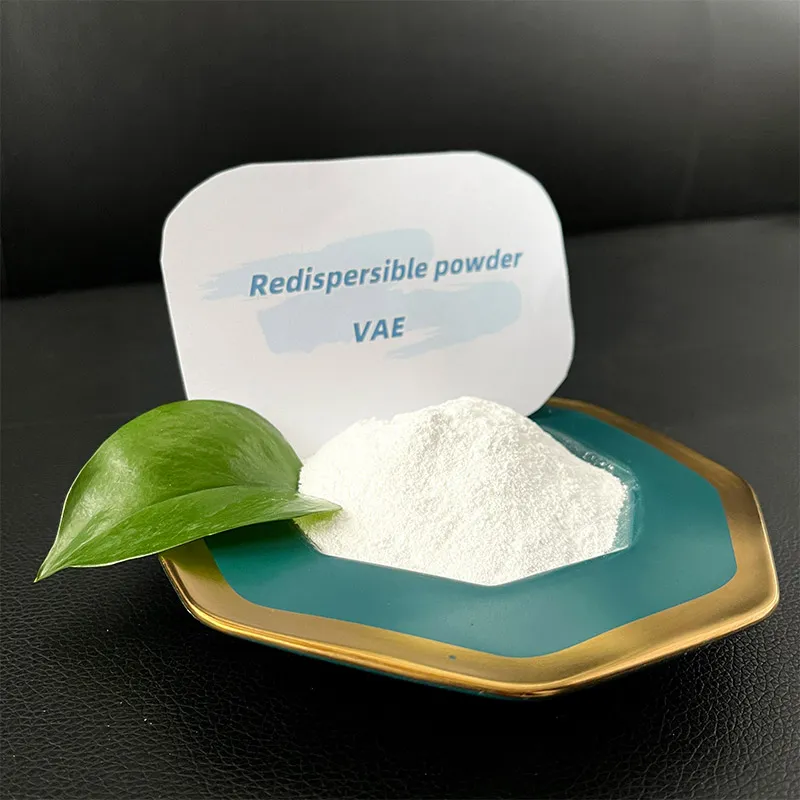

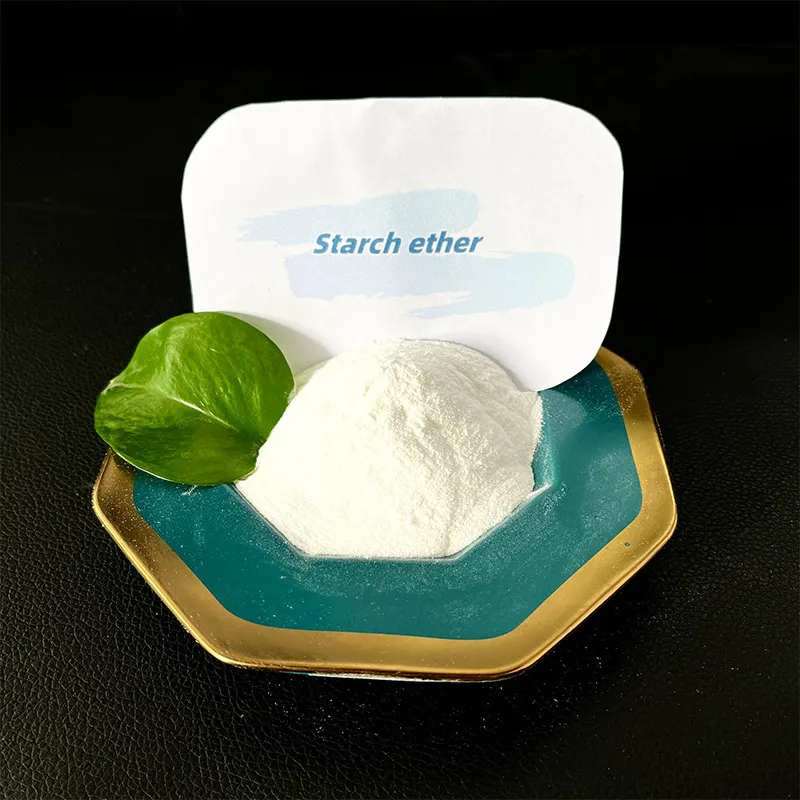
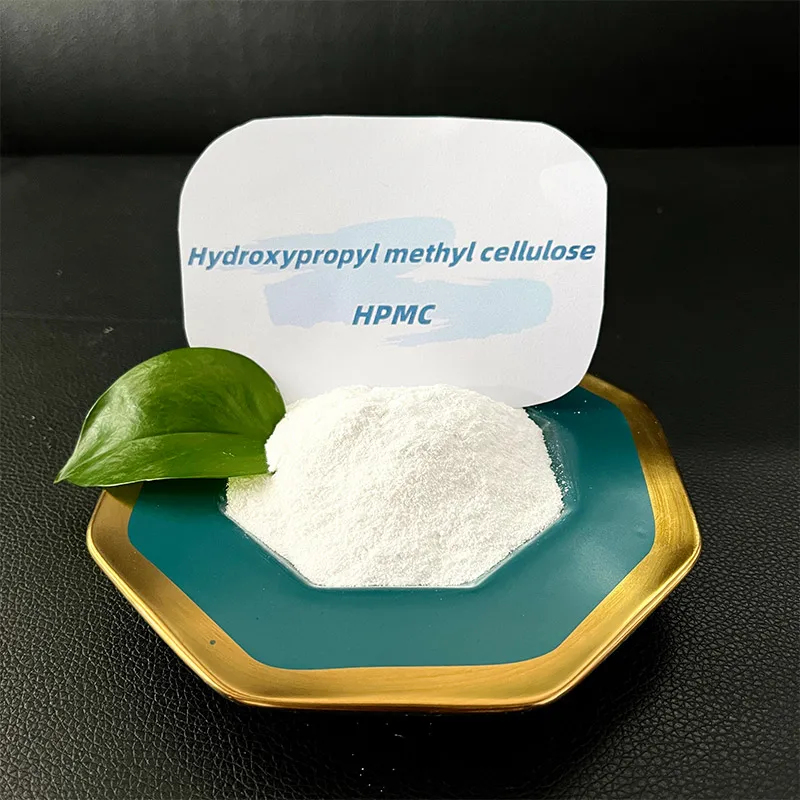
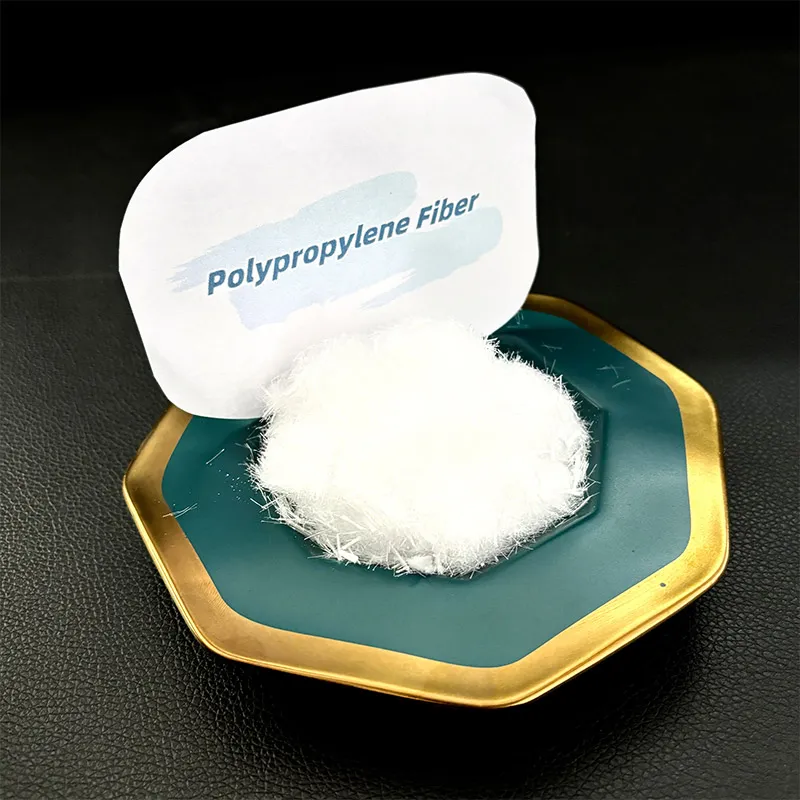


Introduction to Xylem Fiber Xylem fiber, a natural and renewable resource derived from wood, has emerged as a cornerstone in modern industrial applications. This organic flocculent fiber material undergoes advanced chemical and mechanical processing to achieve high-quality performance. Its versatility and eco-friendly attributes make it a preferred choice across multiple sectors, including construction, manufacturing, and sustainable technology. As industries increasingly prioritize environmental responsibility, Xylem Fiber stands out as a solution that aligns with global sustainability goals while enhancing product performance. Key Features and Technical Specifications Xylem Fiber is engineered through a meticulous process that combines chemical treatments and mechanical refining to optimize its structural and functional properties. Below is a detailed overview of its technical specifications: Parameter Details Material Source Wood pulp (e.g., hardwood and softwood species) Processing Method Chemical treatment (e.g., delignification) + mechanical refining Physical Properties High tensile strength, moisture absorption capacity, and thermal stability Chemical Composition Cellulose (60-80%), hemicellulose, and lignin (processed to remove impurities) Applications Concrete additives, gypsum products, asphalt reinforcement, MDF manufacturing The integration of Xylem Fiber into industrial processes not only enhances material performance but also reduces reliance on non-renewable resources. Its ability to improve the durability and workability of construction materials makes it a game-changer in the industry. Applications Across Industries Xylem Fiber's adaptability has led to its widespread use in diverse sectors. Here are some of its key applications: 1. Construction and Concrete Industry In the construction sector, Xylem Fiber is a critical component in concrete and mortar mixes. By incorporating this fiber, manufacturers can enhance the material's tensile strength and resistance to cracking. According to the National Institute of Standards and Technology (NIST) , "the use of natural fibers like xylem in construction materials is a key area of research for sustainable development, as they reduce the carbon footprint of traditional materials" (NIST, 2025). This aligns with global efforts to adopt greener building practices. 2. Gypsum Products Xylem Fiber is also used in the production of gypsum boards and other mineral-based products. Its unique absorbent properties improve the structural integrity and workability of these materials, making them more durable and easier to handle during installation. 3. Asphalt and Road Construction In the asphalt industry, Xylem Fiber acts as a reinforcing agent, enhancing the resilience and longevity of asphalt roads. This application is particularly beneficial in regions with extreme weather conditions, where road durability is crucial. 4. Medium Density Fiberboard (MDF) The manufacturing of MDF relies heavily on Xylem Fiber as a key ingredient. This application results in sustainable building materials that are both sturdy and environmentally friendly. The adoption of Xylem Fiber in MDF production is a testament to its role in promoting responsible resource management. Advantages of Xylem Fiber The benefits of Xylem Fiber extend beyond its technical specifications. Here are some of its standout advantages: Eco-Friendly: As a renewable resource, Xylem Fiber reduces the environmental impact of industrial processes. Its biodegradability makes it an ideal choice for industries seeking to minimize waste. Cost-Effective: By replacing traditional materials, Xylem Fiber can lower production costs while maintaining high-quality standards. Enhanced Performance: The fiber's mechanical properties improve the strength, durability, and workability of end products, meeting the demands of modern applications. Supports Sustainable Forestry: The cultivation and processing of Xylem Fiber encourage responsible forestry practices, contributing to ecosystem balance and carbon sequestration. These advantages position Xylem Fiber as a vital component in the transition toward sustainable technologies, as highlighted by the National Institute of Standards and Technology (NIST) , which emphasizes the importance of integrating natural resources into industrial innovation (NIST, 2025). Company Background: HeBei ShengShi HongBang Cellulose Technology CO.,LTD. Founded in 2005, HeBei ShengShi HongBang Cellulose Technology CO.,LTD. has established itself as a leader in the production of natural fiber-based materials. The company specializes in the development and manufacturing of Xylem Fiber and other cellulose products, catering to a global clientele. With a commitment to innovation and sustainability, HeBei ShengShi HongBang has become a trusted partner for industries seeking eco-friendly solutions. As a pioneer in the field, the company adheres to strict quality control standards and invests heavily in research and development. Its state-of-the-art facilities and expertise in cellulose extraction from wood have enabled it to produce high-quality Xylem Fiber that meets international specifications. The company's mission is to "promote sustainable industrial practices through the use of natural resources," a goal that aligns with global efforts to reduce environmental impact. For more information about Xylem Fiber and its applications, visit the official website of HeBei ShengShi HongBang Cellulose Technology CO.,LTD. Conclusion: The Role of Xylem Fiber in a Sustainable Future Xylem Fiber represents a significant advancement in the use of natural resources for industrial applications. Its versatility, eco-friendly properties, and ability to enhance product performance make it a valuable asset across multiple sectors. As industries continue to prioritize sustainability, the adoption of Xylem Fiber is expected to grow, driven by its alignment with global environmental goals. The integration of Xylem Fiber into manufacturing processes not only reduces the carbon footprint of traditional materials but also fosters innovation in sustainable technologies. With ongoing research and development, the potential applications of Xylem Fiber are vast, offering a promising future for industries committed to responsible resource management.
- 40000tons

Production
- 20+years

Experience
- 5000+㎡

Acreage

-
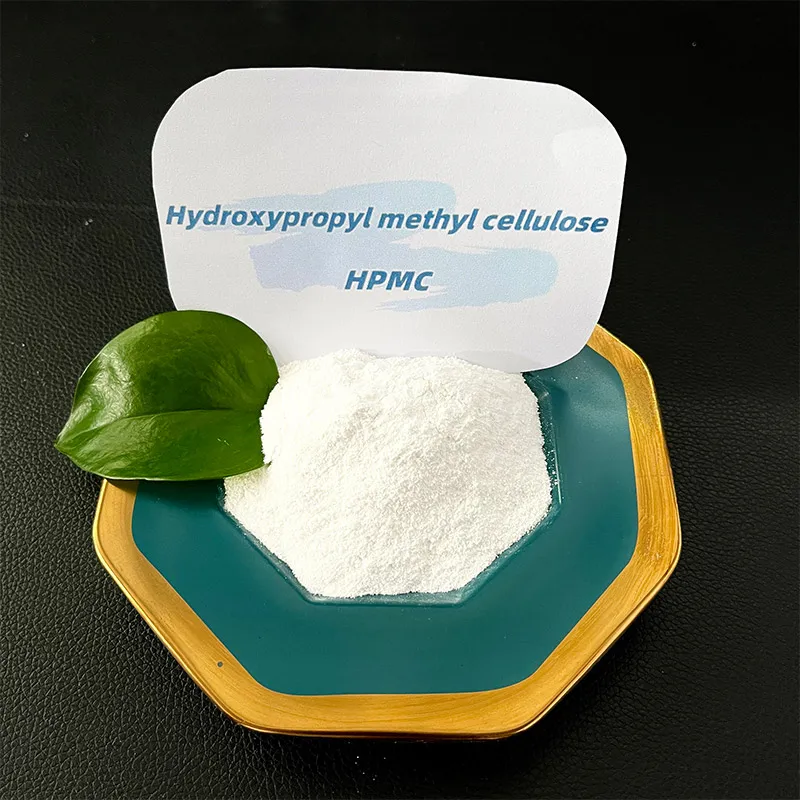
Гидроксипропилметилцеллюлоза (HPMC) E15 представляет собой важный компонент, широко используемый в фармацевтической и пищевой промышленности для различных приложений. С его уникальными физико-химическими свойствами HPMC E15 находит применение в качестве пленкообразователя, загустителя и стабилизатора. Но, пожалуй, самым важным аспектом для его использования является молекулярная масса, которая напрямую влияет на его функциональность. Молекулярная масса HPMC E15 составляет примерно 10 ,000 - 150,000 дальтон. Этот диапазон позволяет веществу обладать такими характеристиками, как высокая стабильность, способность образовывать пленки и отличные связывающие свойства. Однако вариативность в молекулярной массе может повлиять на растворимость и вязкость, что важно учитывать при производстве продуктов питания и лекарств. Реальный опыт специалистов подтверждает, что HPMC E15 особенно полезен в производстве пленок, применяемых в фармацевтических таблетках. За счет своей уникальной структуры, он обеспечивает контроль за скоростью растворения активных ингредиентов. Это критически важно для производителей, стремящихся соблюдать точные фармакокинетические профили своих препаратов. Так, использование HPMC E15 способствует равномерному распределению пленки, улучшая потребительские свойства продукта. Профессиональные исследования показывают, что HPMC E15 также широко применяется в пищевой индустрии, особенно в сфере производства безглютеновой продукции. Обладая высокой водоудерживающей способностью, он помогает улучшить текстуру и длительность сохранения свежести выпечки. Эти свойства объясняются уникальной молекулярной структурой HPMC E15, что делает его незаменимым для производства хлебопекарных изделий, которые не содержат традиционной пшеничной клейковины. hpmc e15 молекулярный вес Опытные технологи и научные сотрудники отмечают безопасность и эффективность HPMC E15, подтвержденные многочисленными исследованиями и сертификациями по всему миру. Благодаря его натуральному происхождению и высокой биосовместимости, он получил одобрение от различных организаций здравоохранения и пищевых стандартов. Это способствует высокой степени доверия к этому компоненту со стороны производителей и конечных потребителей. Что касается авторитетности и доверия, многие крупные производители в фармацевтической и пищевой индустрии выбирают именно HPMC E15, доверяя его качеству и стабильности. Это обусловлено тем, что контролируемая молекулярная масса позволяет досконально регулирует характеристики конечного продукта. Например, в таблетках именно HPMC E15 обеспечивает равномерное высвобождение активных ингредиентов, что критически важно для достижения потребляемого эффекта лекарства. Подводя итог, благодаря своей контролируемой молекулярной массе, HPMC E15 остается важным и незаменимым компонентом в различных сферах промышленного производства. Его уникальные физико-химические свойства обеспечивают высокую степень стабильности и эффективности в применении. Это делает его выбором номер один для тех, кто стремится к качеству и надежности в производстве своей продукции. HPMC E15 обладает значительным потенциалом для дальнейшего раскрытия новых возможностей и улучшений в технологий производства, что несомненно делает его важным игроком на рынке полимерных компонентов.
-
High Performance Computing (HPC) and Hydroxypropyl Methylcellulose (HPMC) might seem like disparate terms, but they represent pivotal influences in their respective domains—technology and material science. As the digital era sweeps across industries, understanding the roles these elements play in shaping technological advancements becomes indispensable. HPC is a cornerstone in computational processes, enabling large-scale simulations, complex calculations, and efficient data processing. Its significance is particularly pronounced in areas like climate modeling, physics simulations, and drug discovery where traditional computing methodologies fall short. HPC systems enhance computational capabilities by linking computer clusters to function as a single entity, thereby optimizing processing power and speed. Businesses and institutions harness this capacity to solve problems that were previously insurmountable, significantly reducing the time required for research and development. Conversely, HPMC stands as a key player in the pharmaceutical and construction industries. As a semi-synthetic polymer, it exhibits excellent properties that make it an indispensable additive. In pharmaceuticals, HPMC serves as a controlled-release agent, ensuring the active ingredient in a drug is distributed at an appropriate pace in the body, enhancing the drug's effectiveness and patient safety. In construction, HPMC is valued for its water retention and cement dispersion properties, crucial for improving the workability of cement and plaster, leading to prolonged setting times and enhanced durability of structures. Bridging HPC and HPMC is their shared goal of fostering innovation and efficiency. Companies integrating HPC into their processes can speedily analyze vast data sets to identify patterns and make informed decisions, perhaps even in the tailoring of drug formulations utilizing HPMC. Such synergy allows for an unprecedented level of product refinement and predictive modeling, elevating the standards of quality and safety. Furthermore, the intersection of HPC and HPMC is visible in material science, where simulations powered by HPC can predict how HPMC and other polymers interact at a molecular level. Such insights are crucial for the development of new materials with customized properties, thereby expanding the potential applications of HPMC in various industries. hpc hpmc In practical applications , HPC has dramatically altered how industries approach data. For example, in genomics, HPC provides the computational capacity to conduct comprehensive genome analyses, a task unmanageable without such technology. These analyses can propel forward research in genetic disorders, fostering early detection and personalized medicine. Similarly, in the realm of energy, HPC aids in optimizing the exploration and production of energy resources, enhancing both efficiency and sustainability. On the HPMC front, its versatility extends into the food industry, where it acts as a stabilizer, thickener, and emulsifier. The non-toxic and non-allergenic nature of HPMC makes it an attractive option in developing food products that meet stringent safety standards while retaining taste and texture. In the realm of personal care products, it is used to enhance the consistency and shelf life of goods such as lotions and creams. Given this context, businesses looking to leverage these innovations need to astutely integrate HPC into their strategic planning and utilize HPMC in product development to stay competitive. Organizations should invest in training and development of their workforce to gain expertise in these technologies, ensuring they remain at the forefront of their industries. Trust in these technologies comes from demonstrated success and scientific validation. For companies involved with HPC, regularly publishing peer-reviewed research and case studies can help bolster trustworthiness and transparency in their methodologies. Simultaneously, firms utilizing HPMC in products must comply with regulatory standards and publish their compliance and safety certifications to establish credibility and consumer trust. In conclusion, HPC and HPMC exemplify the potential inherent in technological and scientific advancement. While they operate in distinct spheres, their intersection presents endless opportunities for innovation and enhancement of products and services. By harnessing their capabilities, industries can not only improve their processes and offerings but also foster an environment where continuous improvement and cutting-edge solutions are the norms.
advantages
-

200000 Viscosities
Excellent product
We can produce pure products up to 200,000 viscosities
-

40000 tons
High yield
We don’t stop production all year round, and the annual output can reach 40,000 tons
-

24 hours
Quality service
We provide 24-hours online reception service, welcome to consult at any time
———— Inquiry Form
Schedule A services


-
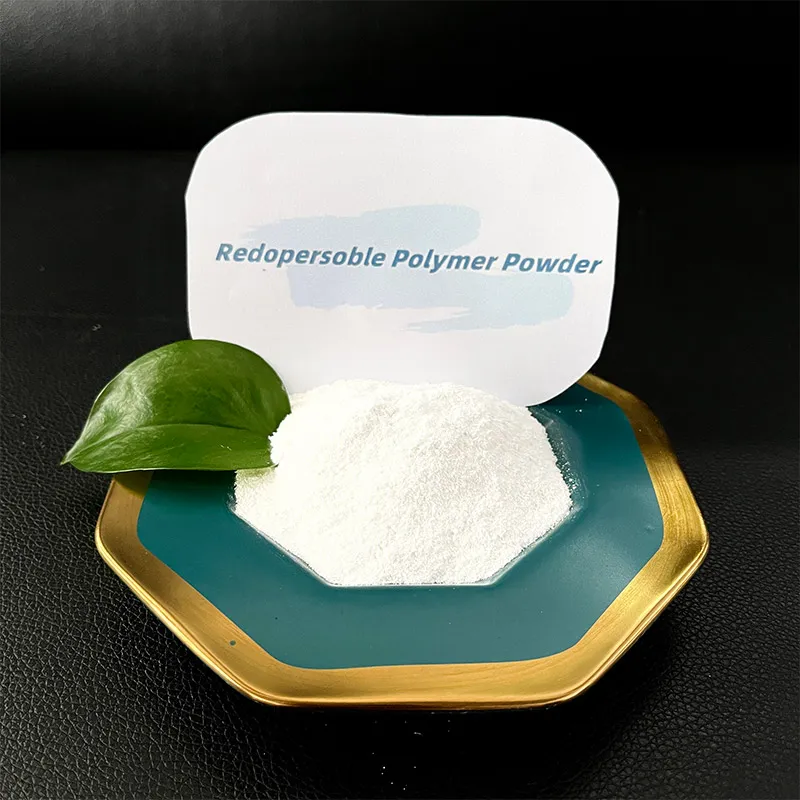 aina_za_wanga_zilizobadilishwa
Oct . 25, 2025
Hydroxypropyl methylcellulose (HPMC) is an intriguing compound that has carved its niche in the prod -
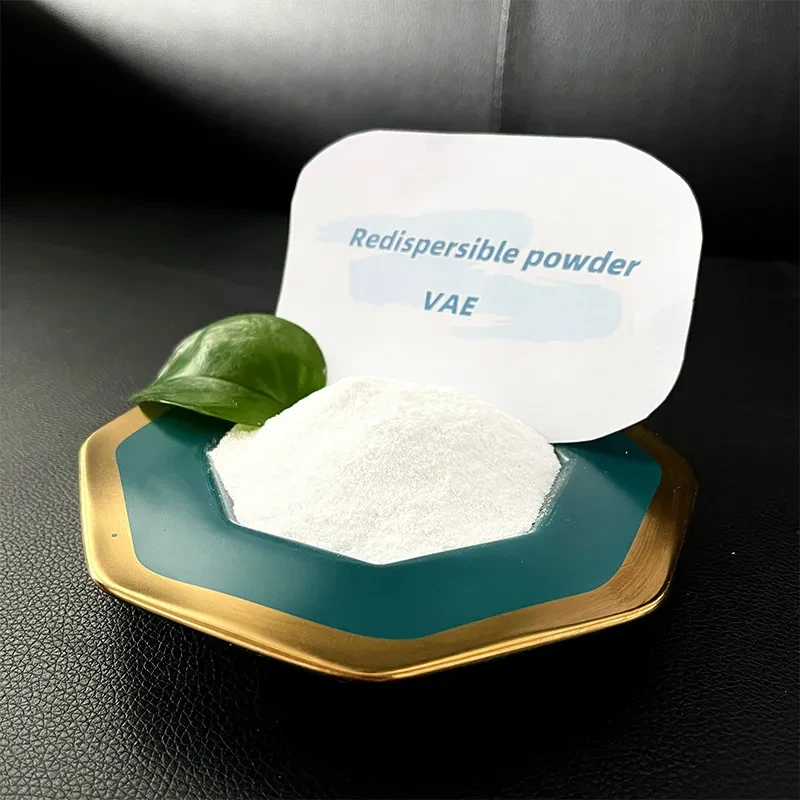 nyuzinyuzi_zilizotengenezwa_kwa_massa_ya_kuni
Oct . 25, 2025
Next-Generation Wood Cellulose & Xylem Fiber: Technology, Industry Trends and Applications HeBei She -
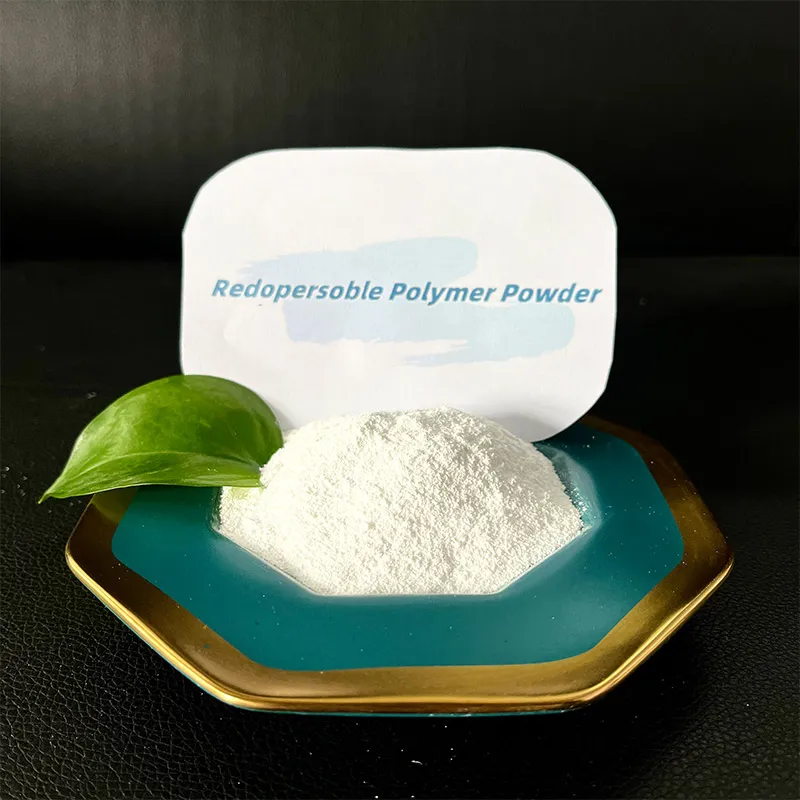 cellulose_wood_fibers
Oct . 25, 2025
How to Make HPMC Gel A Step-by-Step Guide Hydroxypropyl methylcellulose (HPMC) is a versatile polyme


